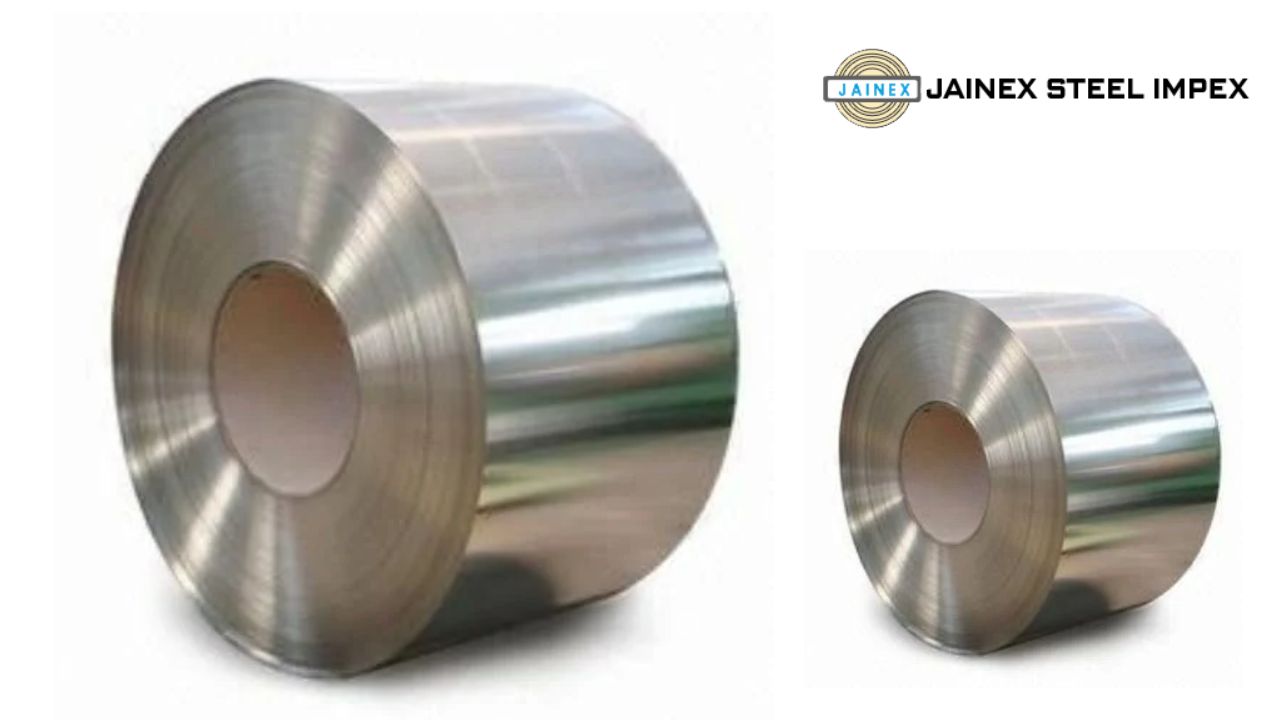
Stainless steel foil is a thin, strong and steady metal used across many industries. It works well in places that need both strength and accuracy. Several appliances rely on it as it can withstand heat, moisture, and chemicals without failing. Selecting the right grade is important, as each one provides a different level of corrosion resistance, strength, and heat tolerance. A wrong choice can cause early wear, or unsafe use. Stainless steel foil is suitable to use in modern machinery, tools, and electronic components, as it remains stable under pressure. This blog gives a clear look at the common foil grades and the industries that use them.
What is Stainless Steel Foil?
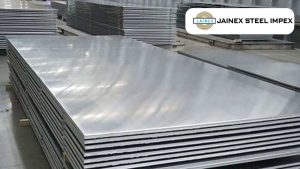
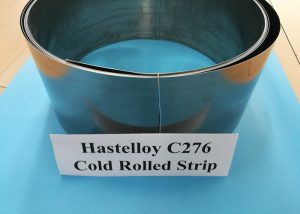
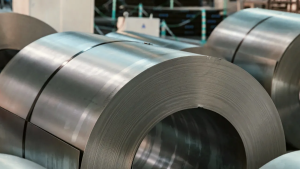
Stainless steel foil is a very thin form of stainless steel, usually between 0.01 mm and 0.2 mm. Even with its small size, it offers good flexibility, along with strong corrosion and heat resistance. Foil differs from stainless steel sheets and strips because it is much thinner and meant for parts where weight and precision matter.
How it differs:
- Foils: It is extremely thin and used for applications requiring strict control.
- Sheets: It is thicker and designed for structural construction.
- Strips: It is suitable for coils, springs, and formed parts because to their medium thickness.
Key properties include:
- High flexibility: Stainless steel foil bends easily without cracking, which helps in making small, detailed parts. Its flexibility allows smooth shaping during manufacturing.
- Strong corrosion resistance: The foil can handle moisture, chemicals, and air exposure without rusting. This makes it reliable in food, medical, marine, and industrial environments.
- Light but durable: Even though it is very thin and lightweight, it stays strong under pressure and lasts long without tearing or losing stability.
- Steady performance under heat and chemicals: The foil remains stable when exposed to high temperatures or harsh substances. Its properties do not change easily, ensuring dependable performance in tough conditions
Foil is made through cold rolling, annealing, and slitting. These steps help the material stay uniform and reliable, which is why so many industries depend on it.
Key Factors That Differentiate Foil Grades
Each stainless steel foil grade has its own traits. The choice depends on where, and how the foil will be used.
- Chemical composition: Chromium, nickel, and molybdenum levels decide how well the foil can handle corrosion and heat. Grades with more alloying elements usually perform better.
- Mechanical strength: Some grades are harder and stronger, which helps in parts that face stress, sharp bends, or regular movement.
- Heat resistance: Different grades withstand different temperature levels. High-heat jobs need foil that stays stable without losing strength.
- Corrosion resistance: Exposure to salt, moisture, or chemicals affects the metal. Marine, medical, and industrial use often needs grades with higher corrosion defense.
- Formability and weldability: Some grades bend and weld easily, which is useful for fine parts and complex shapes.
The best grade always depends on real working conditions.
Common Stainless Steel Foil Grades
Grades 304, and 316 are widely used because they offer steady strength, clean surface quality and reliable corrosion resistance. Other grades help with high heat, or budget needs, while some support micro-level work.
- Grade 304 Stainless Steel Foil: Grade 304 is the most common stainless steel foil used in the industry. It offers excellent corrosion resistance and bends well without cracking; this helps in detailed designs. These grades are applied in food tools, medical parts, automotive components, and EMI shielding in electronics.
- Grade 316 Stainless Steel Foil: Grade 316 contains molybdenum, which gives it stronger corrosion resistance than 304. It handles salt, chemicals, and moisture well, making it suitable for chemical plants, marine hardware, pharmaceutical equipment, and high quality surgical tools.
- Grade 430 Stainless Steel Foil: Grade 430 is a ferritic, low-nickel grade and thus more cost-effective. It has moderate corrosion resistance and works in mild settings, such as dry or moderately moist conditions. Magnetic and easy to form, it finds use in home appliances, heat exchangers, interior trim, and auto parts.
- Grade 321 Stainless Steel Foil: Grade 321 is stabilized with titanium, which helps it stay strong at high temperatures. It resists intergranular corrosion and works well in aerospace systems, exhaust units, and thermal gaskets.
- Grade 310 Stainless Steel Foil: Grade 310 has high chromium and nickel levels, giving it strong heat resistance. It stays stable in extreme temperatures and is used in furnaces, heat-treating systems, and insulation sections in high-temperature equipment.
- Ultra-Thin & Precision Stainless Steel Foils: These foils are made for very small or high-tech parts. They allow precise cuts and shapes with tight tolerances. They are common in sensors, electronics, batteries, and other tiny components.
Choosing the Right Stainless Steel Foil Grade
The best grade depends on the real conditions the foil will face.Start by checking the temperature range. Some jobs need high-heat stability, while others need only mild resistance. Look at exposure to chemicals, salt, or moisture, as these can lead to corrosion in the wrong grade. Think about strength and flexibility, since some parts need bending while others must stay firm. Consider how the foil will be cut, formed, or welded because each grade reacts differently during fabrication. Cost matters, but safety and material consistency matter more. Always source foil from trusted manufacturers to get steady quality.
For premium stainless steel foil suppliers in Mumbai, India, contact Jainex Steel Impex for guidance, reliable material, and timely delivery.
Industry-Specific Applications
Stainless steel foil is used in various industries as it can handle stress, heat and corrosion while staying light. Each field chooses the grade that matches its working demands.
- Automotive: Automotive systems use stainless steel foil in heat shields, exhaust parts, and filtration units. The foil also helps to create stable layers for sensors that need thin, steady metal surfaces.
- Aerospace & Defence: Aerospace systems require thin metals that are both strong and stable. Stainless steel foil is used in parts of the engine that go through sudden temperature changes, in thermal insulation layers and in high-precision assemblies.
- Medical & Pharmaceutical: Clean and stable materials are needed here. Stainless steel foil is used in sterile packaging, sharp surgical parts, and diagnostic tools that rely on precise, thin sections of metal.
- Electronics & Electrical: Foil supports EMI/RFI shielding, battery layers and micro-connectors. Its structure is thin and steady to assist in maintaining the device’s compactness and reliability.
- Food Processing & Packaging: Food systems use stainless steel foil for hygienic packaging films, heat-resistant cooking layers and corrosion-resistant wraps that protect food during storage.
Conclusion
Understanding the various grades of stainless steel foils helps in gaining long-life and safe performance. Each grade responds differently to heat, chemicals, and pressure; hence, the selection of an appropriate grade becomes a vital factor. Good foil contributes toward better durability, safety, and smooth operation. For a reliable stainless steel foil supplier in Mumbai, India, Jainex Steel Impex offers good quality, fair pricing and timely delivery.