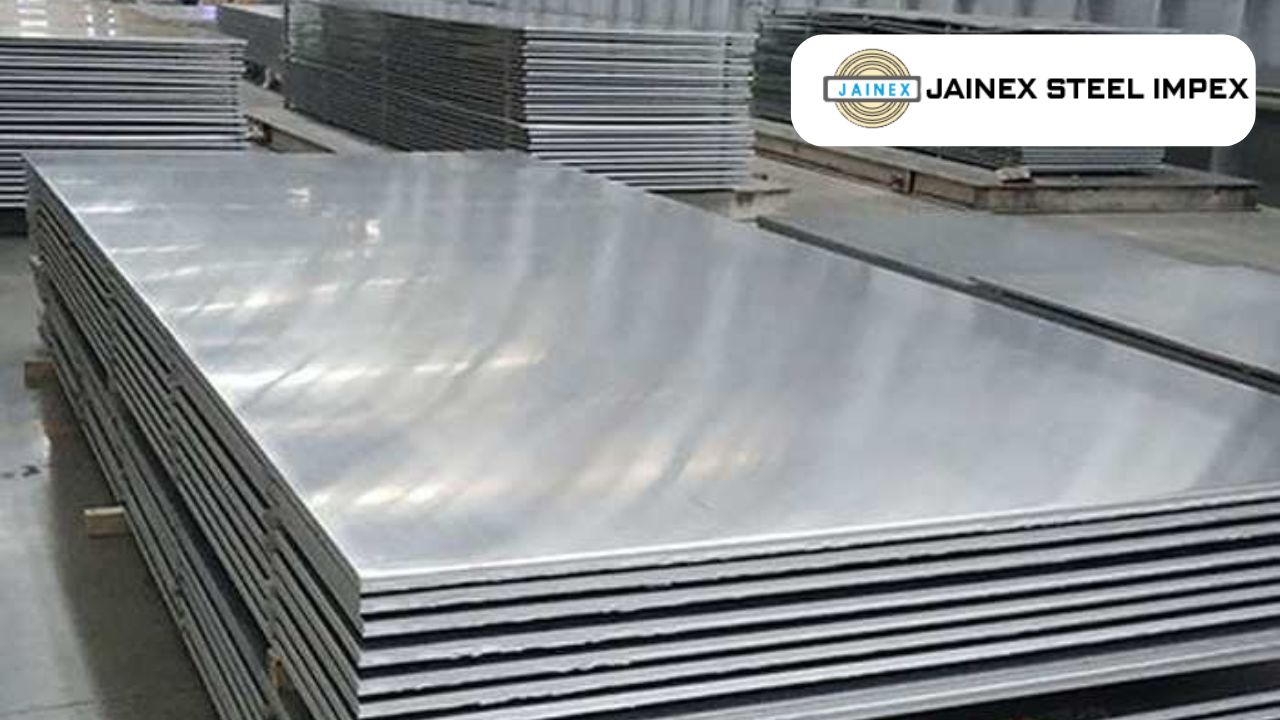
Nickel alloy sheets are essential in environments that experience high temperatures, pressure, and corrosive chemicals. These sheets maintain their durability where common metals degrade quickly. Consequently, engineers opt for these sheets in chemical manufacturing plants as components for aircraft, energy systems, and maritime applications. The combination of nickel with other metals results in a durable material that endures longer and performs effectively in challenging conditions. In this blog, we walk through the grades used today, what makes each grade stand out, and where these sheets fit best in industry. This helps you choose the right sheet for your project with a clear view of performance and value.
What Are Nickel Alloy Sheets?
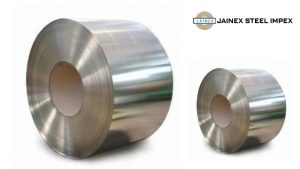
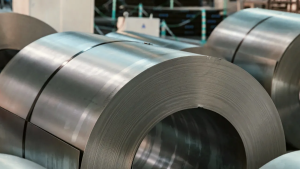
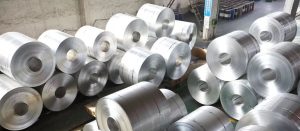
Nickel alloy sheets are flat metal products made from nickel alloyed, with elements such as iron, chromium, or copper. It is available in medium thickness levels, usually ranging from 0.4 mm to about 6 mm. These sheets differ from nickel plates, which are thicker and nickel strips, which are much thinner and cut in narrow widths.
Differences from plates and strips:
- Plates are thicker and used for heavy-duty parts.
- Strips are thin and narrow for precision work.
- Sheets sit between them and offer good balance for forming and cutting.
Key characteristics:
- Excellent corrosion resistance
- High strength-to-weight ratio
- Heat and chemical resistance
- Durability in harsh environments
Common manufacturing steps include hot rolling, cold rolling, and annealing.
Key Properties of Nickel Alloy Sheets
These sheets stand out due to their superior mechanical and chemical properties, which allow them to withstand severe work.
- Corrosion Resistance: It can withstand acids, alkalis and saltwater with little damage. This makes it appropriate for both chemical and maritime applications.
- High-temperature stability: These sheets maintain their shape and strength even after being subjected to high temperatures for extended periods of time.
- Mechanical strength: These sheets have high tensile strength, consistent ductility, and exceptional hardness, making them ideal for stress and forming applications.
- Oxidation resistance: Its surface is resistant to oxidation and does not scale or break down when exposed to hot air or gas.
- Low maintenance: These sheets are durable, which reduces the need for maintenance, and extended breakdowns.
Common Nickel Alloy Sheet Grades
Most of the industries use distinct nickel alloys depending on temperature requirements, chemical composition, strength specifications and budget constraints. Each grade offers a particular combination of advantages which makes it more appropriate for a certain task.
- Inconel Sheets
Inconel sheets stay strong even at very high heat. Their nickel-chromium mix protects the metal from extreme air and chemical gases. These sheets are often used, when the part must perform while hot and under pressure. Some applications are common in turbine blades, furnace parts, and plant equipment used for chemical processing. - Monel Sheets
Monel sheets are made from nickel, and copper, providing excellent resistance to saltwater and organic acids. It also withstands stress and impact effectively, making it widely used in marine and offshore applications. Engineers use it for seawater valves, pumps, heat exchangers, and chemical units that operate near or in water. - Hastelloy Sheets
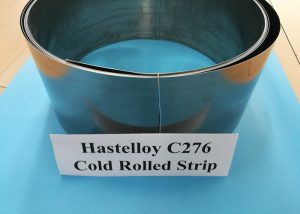
Hastelloy sheets are designed to withstand aggressive acids, oxidizing substances, and elevated temperatures. The combination of nickel, molybdenum, and chromium gives them a superior edge in the most demanding chemical environments. Common applications include reactors, heat exchangers, scrubbers and even nuclear systems where reliability is crucial.oxidising - Nichrome Sheets
Nichrome sheets have high electrical and heat resistance. They neither melt easily nor get deformed readily, thus making it perfect for parts that have to bear the brunt of heating regularly. Common applications of these sheets are used to make heating elements, resistance cables, laboratory instruments, and other electrical tools. - Other Specialty Nickel Alloys
Some nickel alloys are designed for special needs, such as hydrogen service, cryogenic storage, or extreme precision parts in electronics and medical tools. While less common, they fill important gaps when the usual grades fall short.
How to Choose the Right Nickel Alloy Sheet
Picking the right sheet depends on where and how it will be used. Just a few checks will help narrow the choice fast.
- Environmental Conditions: This category involves temperature, moisture, and chemicals the sheet will be subjected to to ensure long-term performance.
- Mechanical needs: Check how the sheet will be bent, formed, or welded, along with expected loads and wear.
- Cost vs. performance: The higher the grade, the greater the cost but also the tougher the conditions the alloy can deal with. The choice of grade will depend on a balance between durability and budget.
- Supplier reliability: Working with a trusted supplier guarantees consistent quality, traceable material, and timely delivery, which is why many turn to Jainex SteeImpex for premium nickel alloy sheets in Mumbai.
Industrial Applications of Nickel Alloy Sheets
These sheets serve a wide range of heavy-use systems where safety, strength, and corrosion resistance matter.
- Chemical & Petrochemical Industry: Used in reactors, valves, piping systems, and heat exchangers running with strong acids or gases.
- Aerospace & Defence: Nickel sheets are used in different engine parts, exhaust paths, and heat shields because of their ability to stay strong at high temperatures.
- Marine & Offshore: Applied in pumps, seawater systems, and corrosion-resistant fittings facing saltwater every day.
- Power & Energy: Used in turbines, boilers and nuclear parts that have to run under constant heat and stress.
- Electrical & Electronics: Used in heating coils, resistance wires and connectors that need steady electric performance.
Conclusion
Nickel alloy sheets play a major part in systems that face heat, pressure, and corrosive fluids. Their strength, long life, and steady performance make them ideal for many industrial fields. Picking the right grade helps avoid damage, reduce upkeep, and keep the system safe. These sheets offer solid value due to their durability, chemical resistance, and heat stability. If you need a trusted supply, reach out to Nickel Alloy Sheet Supplier – Jainex Steel Impex for support and timely delivery.