Corrosion-resistant materials determine how long chemical processing equipment survives contact with acids, chlorides and oxidizing agents. Titanium foil holds up where stainless steel fails. It resists pitting and crevice corrosion in aggressive process streams, cuts equipment weight through low density without sacrificing strength, and delivers a service life that stretches well beyond a decade in harsh environments. Fabricators building corrosion-resistant equipment source titanium alloy foil for exactly this reason. This blog covers the properties, advantages, applications, and selection factors for titanium foil in chemical processing.
What Is Titanium Foil?
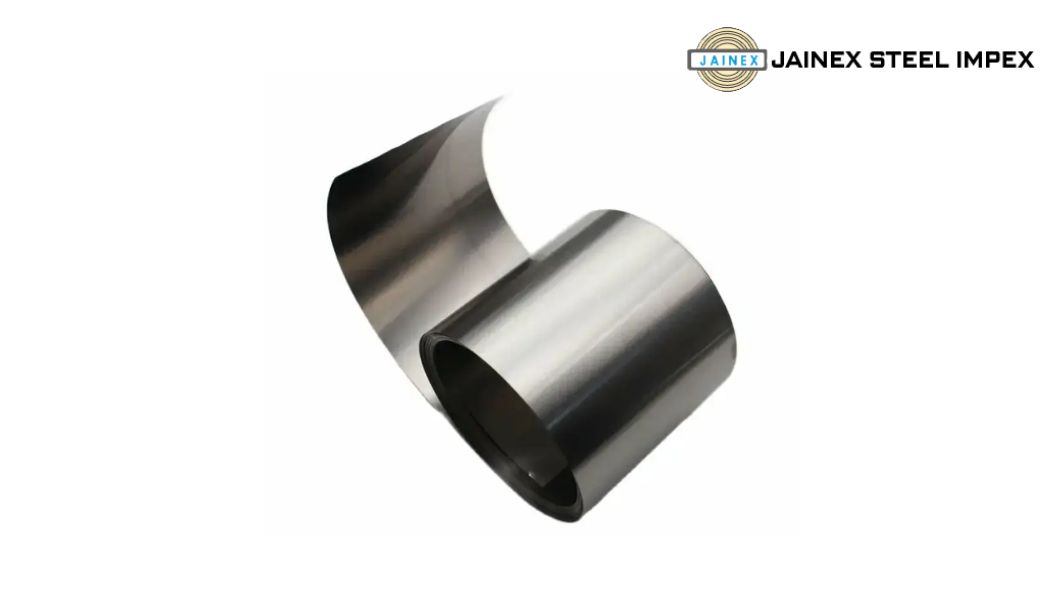
Titanium Foil describes titanium rolled down to thicknesses under 0.5mm. Manufacturers achieve this through repeated cold rolling and annealing, then supply the material in gauges from 0.025mm to 0.5mm, wound into coils or cut into flat sheets. Titanium Foil Sheets refer to those flat-cut pieces used for gaskets and shims. Grade 1 gives the highest ductility for forming, Grade 2 balances strength and corrosion resistance for general service, and Grade 5 (Ti-6Al-4V) adds strength for higher stress use.
Advantages of Using Titanium Foil in Chemical Processing Industries
Industrial Titanium Foil performs reliably across the demanding conditions found in chemical plants. These advantages explain why engineers choose it over conventional alloys.
- Titanium foil resists acids, chlorides, and corrosive chemicals better than most stainless steel grades in similar service.
- Titanium foil is lighter than stainless steel, easier to handle and speeds fabrication in tight process spaces.
- Plant operators benefit from reduced maintenance and replacement costs over the life of the plant due to scaling and pitting resistance.
- Industrial Titanium Foil is critical for the reliable operation of chemical plants in corrosive environments where other metals may corrode or degrade.
- Titanium Metal Foil can resist high temperatures without losing mechanical properties, suitable for high-temperature process equipment.
- In the presence of acid and chloride, stainless steel components wear out faster than titanium foil.
- Titanium foil can replace materials that are susceptible to failure when under sustained stress, which leads to fewer unplanned shutdowns.
Applications of Titanium Foil in Chemical Processing
Titanium alloy foil and sheet form the working surface for equipment handling corrosive fluids across chemical and desalination operations.
Heat exchangers
When cooling water carries high chloride loads, heat exchangers built with titanium foil tubing keep transferring heat without fouling.
Chemical reactors
Unlike carbon steel, titanium foil linings inside chemical reactors resist strong acids and oxidizing agents used across synthesis processes.
Storage tanks
Storage tanks holding concentrated acids skip protective coatings when fabricators build them from titanium foil, cutting contamination risk and downtime.
Pressure vessels
Combining structural strength with chemical resistance, titanium foil linings let pressure vessels hold corrosive contents at high pressure.
Condensers
In seawater cooling loops, condenser tubes built from titanium foil resist the pitting that destroys copper alloy tubing within a few years.
Evaporators
Evaporators handling brine face two recurring failure modes, scaling and corrosion, and titanium foil surfaces resist both across long duty cycles.
Electrochemical equipment
Electrolysis cells and anodes rely on titanium foil for steady conductivity and resistance to anodic oxidation in electrolyte baths.
Filtration systems
Standard filter mesh degrades quickly in corrosive slurries, whereas titanium foil mesh provides significantly greater resistance to abrasion and chemical degradation.
Desalination plants
Desalination plants push seawater through evaporator and condenser tubing built from titanium foil, avoiding the pitting that shortens copper-nickel alloy life.
Factors to Consider When Choosing Titanium Foil
Selecting the right titanium foil for a chemical process depends on matching material properties to specific operating conditions and design requirements.
Titanium grade
Grade selection determines both corrosion resistance and mechanical strength. Grade 2 covers general chemical service, and Grade 5 handles higher stress loads.
Thickness and dimensions
Foil thickness runs from 0.025mm to 0.5mm. Thinner gauges suit gaskets and shims, while thicker foil serves structural lining work.
Chemical compatibility
Before specifying titanium, check compatibility charts against process chemistry, since titanium resists most oxidizing acids but reacts poorly with hydrofluoric acid.
Operating temperature
Standard titanium foil holds its strength up to 300°C, but sustained higher heat calls for alloy grades rated for extended thermal service.
Fabrication requirements
Welding titanium foil demands inert gas shielding to keep oxygen and nitrogen from embrittling the weld zone during fabrication.
ASTM and international standards
ASTM B265 sets the specification for titanium sheet, strip, and foil, while ASME and DIN standards govern pressure vessel design.
Material certifications and quality testing
When a batch arrives at the plant, mill test certificates confirm its chemical composition, and quality testing verifies thickness and surface finish.
Conclusion
Titanium foil delivers corrosion resistance, low weight and long service life that few materials match in chemical processing. Choosing the correct grade and thickness reduces maintenance and extends equipment lifespan. Jainex Steel Impex supplies titanium foil, sheets, and strips for chemical processing equipment, backed by mill certification for every batch.