The demand for strong and long-lasting building materials keeps rising. Builders today deal with harsh weather, pollution, and moisture more than ever. Materials must hold up without constant repair. This is where stainless steel plays a key role in modern construction. It offers strength, clean looks, and strong resistance to rust. Among its many forms, the stainless steel strip stands out as a flexible and reliable option. From buildings to doors, SS strips support both structure and design without adding extra burden.
What Are Stainless Steel Strips
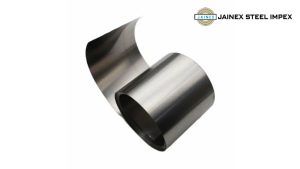
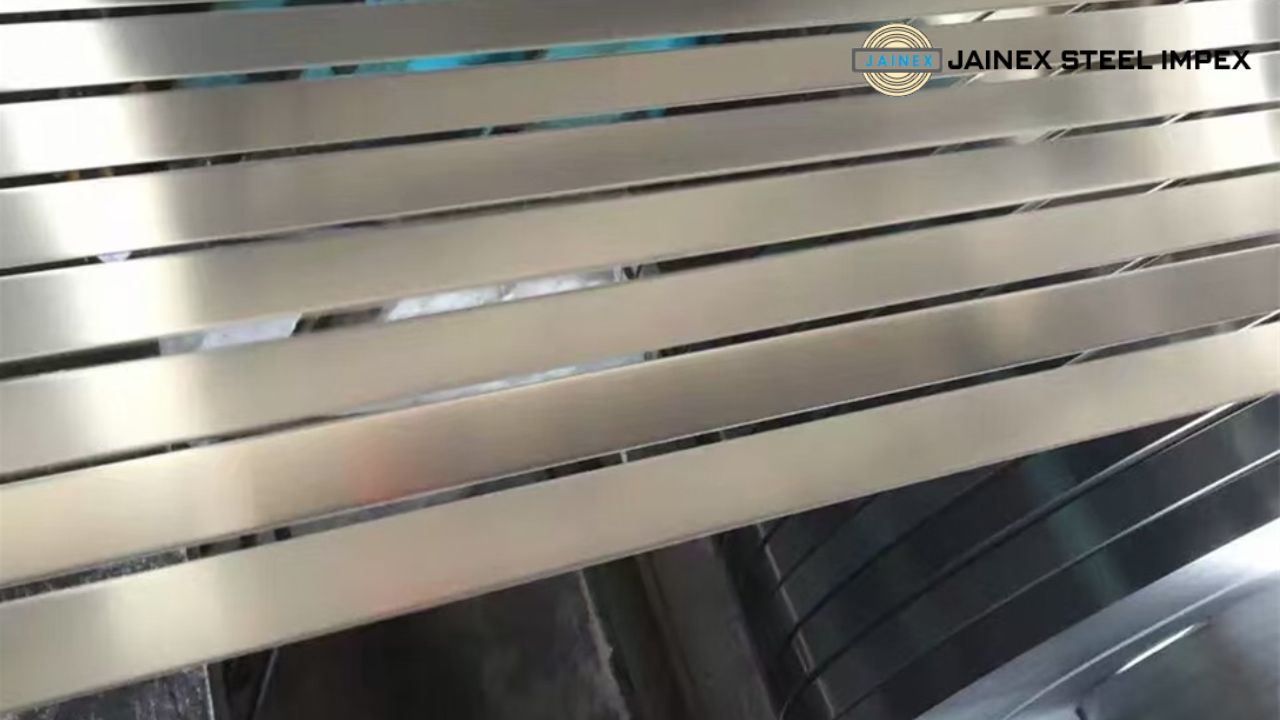
Stainless steel strips are flat-rolled steel products made by cutting stainless steel coils into narrow widths. The process involves hot or cold rolling, followed by annealing and surface finishing. This gives the strip uniform thickness, smooth edges, and steady quality.
SS strips are available in a range of grades to fit various requirements. Typical grades are 304, 304L, 316 and 316L. When it comes to buildings, ASTM A240 Stainless Steel Strip is the favorite one by far. The specification guarantees that the strip complies with rigorous standards for strength, finish and resistance to corrosion. As a result, it is a good match for both structural and architectural applications.
Key Properties of SS Strips
- Corrosion resistance: SS strips resist rust even in damp or polluted areas. The chromium content forms a thin protective layer on the surface. This layer heals itself if scratched. That makes SS strips ideal for outdoor use, coastal regions, and places with heavy rain or humidity.
- High strength-to-weight ratio: Stainless steel strips provide firm load support without the need for additional weight. Construction workers use slimmer sections therefore maintaining the same strength. This contributes to lowering the total material load on the structural elements and also makes it easier to handle during the installation process.
- Heat and weather resistance: SS strips perform well under heat, cold, and direct sunlight. They do not warp or crack easily. This makes them reliable for roofs, door frames, and exterior trims exposed to changing weather all year.
- Low maintenance: Once installed, SS strips need very little care. They do not need paint or special coatings. Simple cleaning keeps them looking new. This saves time and cuts long-term upkeep costs.
- Long lifespan: Stainless steel does not break down fast. SS strips can last for decades without losing strength or appearance. This long life makes them a smart choice for permanent building parts.
Why Stainless Steel Strips Are Ideal for Buildings
- Structural reinforcement: SS strips add extra strength to beams, panels, and joints. They help manage stress and reduce cracks over time. Their steady form and strength make them reliable for support roles.
- Cladding and architectural trims: Modern buildings use SS strips for clean edges, trims, and wall cladding. They give a neat finish and protect exposed corners. Their smooth surface also fits well with glass, stone, and concrete.
- Roofing support: In roofing systems, SS strips act as fasteners, supports, and joint covers. They resist water damage and heat from direct sun. This helps extend roof life and reduce leaks.
- Handrails and frames: SS strips are often used in railings, window frames, and balcony guards. They offer both safety and style. Their clean look suits homes, offices, and public spaces.
- Cost efficiency over time: Though stainless steel strips are initially more expensive than mild steel, they save money over time. Low maintenance, durability, and less frequent replacement make stainless steel strips a cost, efficient option over the years.
Benefits for Doors & Door Components
- Door frames: SS strips strengthen door frames and prevent bending. They hold shape even with heavy doors and frequent use. This keeps doors aligned and smooth to operate.
- Hinges & brackets: Hinges made from SS strips handle constant movement without wear. They resist rust and stay firm over time. This is vital for doors in busy buildings.
- Edge protectors: Door edges face regular impact. SS strips protect these edges from dents and damage. They also add a neat finish to the door surface.
- Decorative finishes: SS strips come in polished, brushed, and matte finishes. Designers use them to add simple detail without extra weight. They suit both modern and classic door designs.
- Rust-free performance in humid environments: In areas with high moisture, doors often fail first. SS strips prevent rust stains and damage. This makes them perfect for bathrooms, kitchens, and coastal buildings.
Applications Across Industries
- Commercial buildings: Commercial buildings, retail centers, as well as hotels are mainly the ones that install SS strips on doors, lifts, panels, and trims. Such strips are capable of bearing a very high load and still maintain the same original look even after the regular rubbing of the surface.
- Residential projects: Homes use SS strips in doors, railings, gates, and balconies. They offer safety, clean style, and long service life with little care.
- Industrial plants: Factories need materials that handle heat, chemicals, and stress. SS strips meet these needs and support doors, frames, and structural parts without failure.
- Hospitals & food processing units: These places need clean, rust-free surfaces. SS strips meet hygiene needs and resist cleaning chemicals. ASTM A240 Stainless Steel Strip is often used here due to its tested quality.
Stainless steel strips offer strength, durability, and clean design in one package. They resist rust, handle harsh weather, and need little upkeep. For buildings, they support structure, safety, and style. For doors, they improve strength, function, and finish. Using ASTM A240 Stainless Steel Strip ensures quality and long-term performance in modern construction. By choosing reliable stainless steel strip suppliers, builders and designers get materials that last, look good, and deliver real value over time.