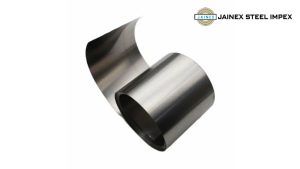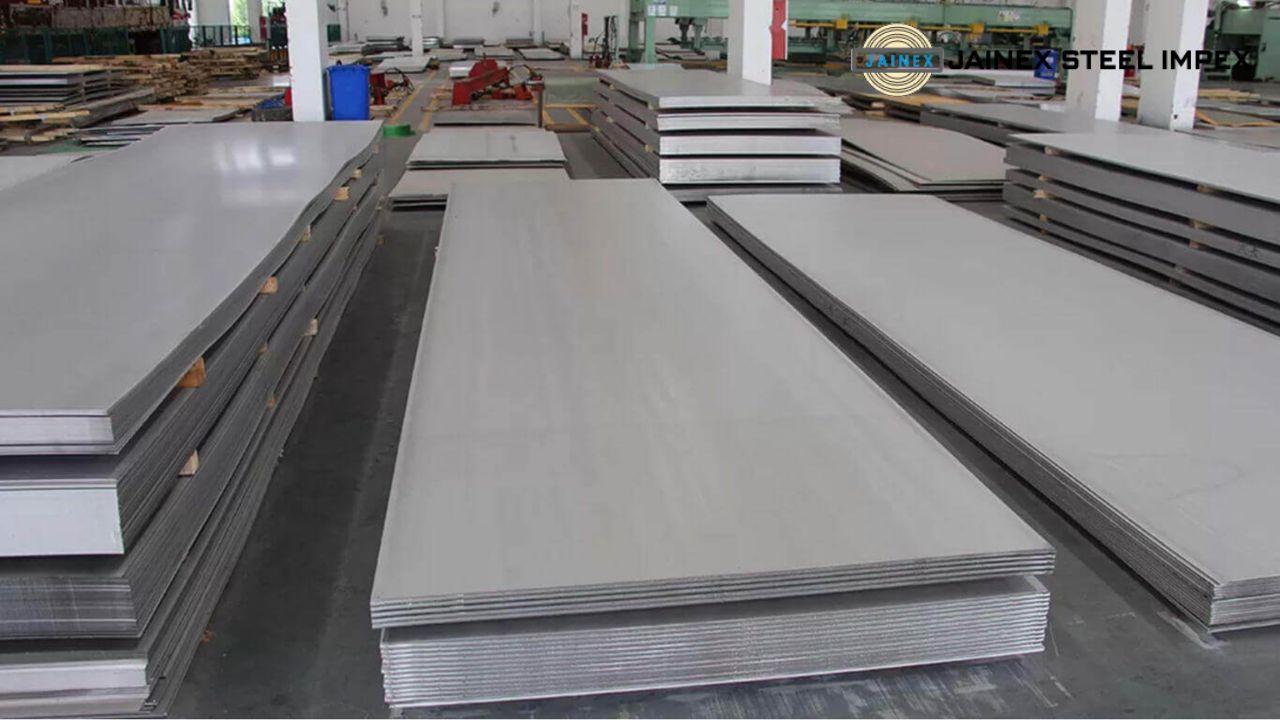
Industrial production relies heavily on durable materials. Where longevity matters, one material appears frequently: stainless steel. Rust resistance is what makes it valuable in many fields. Grade 304 is better in corrosive situations because it has chromium and nickel in it. Fabrication does not weaken it; cutting, shaping and joining leave integrity intact. Long-term performance stays consistent under constant use. This form holds up when others degrade too soon.
When exposed to wet conditions, corrosive substances or repeated washing, a single piece of 304 stainless steel stays strong. Because of this, it is often used in building projects, machines that handle food, chemical tools and car parts. Companies that need to meet exact specifications during production usually choose supply sources that are known to be reliable.
What Are Stainless Steel 304 Sheets?
Found within the austenitic group, stainless steel 304 sheets appear frequently across industrial manufacturing settings. The alloy is made up of 18% chromium and 8% nickel. When chromium reacts with oxygen, it forms a thin, protective film that shields the surface from damage in a wide range of service conditions. Nickel helps preserve the face-centred cubic crystal structure, increasing both the strength and ductility of the material.
Despite its strength, a 304 stainless steel sheet bends easily when shaped by machines. Owing to such traits, it often appears in machinery components and support frameworks across factories. There are differences in size, coating type and edge treatment based on how the product will be used. The availability of consistent quality is mostly based on sourcing channels that know metallurgical standards.
Key Benefits of Stainless Steel 304 Sheets
Excellent Corrosion Resistance
Beginning with chromium, stainless steel 304 sheets develop a slight shield of oxide. That stands against dampness, corrosion, along with exposure to various chemical agents found in industry. Because of this trait, reliability emerges when such a sheet faces moist or aggressive conditions.
High Strength and Durability
SS 304 sheet is strong and stays stable when put under normal operational stress. Equipment made from this material often lasts a long time without needing to be replaced often.
Easy Fabrication and Formability
A single 304 stainless steel sheet responds well to cutting, bending, rolling and also welding. Because of these traits during shaping, companies can make complex parts without losing integrity.
Hygienic and Easy to Clean
Stainless steel 304 sheets have a smooth surface that does not trap contaminants easily. This makes them suitable for applications that require strict hygiene standards.
Temperature and Heat Resistance
SS 304 sheet performs well at moderate temperatures and doesn’t rust due to oxidation during thermal exposure.
Cost-Effective and Long Service Life
Industries often require reliable materials for structures that last long and are cost-efficient.
Applications of Stainless Steel 304 Sheets in Modern Industries
Construction Industry
The construction sector uses stainless steel 304 sheets for structural and architectural components. Builders rely on the material for cladding panels, roofing elements, handrails, and façade structures. A 304 stainless steel sheet performs well in outdoor environments where moisture and pollution are present. Its corrosion resistance and strength help maintain structural stability and appearance over long service periods.
Food and Beverage Industry
Where food undergoes processing, hygiene regulations are tightly enforced. This metal finds common use in constructing storage units along with countertops. Owing to its surface preventing the accumulation of debris, cleaning becomes more effective. The inclusion of impermeable substances during production reduces risks linked to microbial presence.
Chemical and Petrochemical Industry
Many chemical plants require materials that resist corrosion from process fluids and cleaning chemicals. A 304 stainless steel sheet is often used for storage vessels, equipment covers, piping supports, and structural components within processing facilities.
Automotive Industry
Frequently seen within vehicle construction, SS 304 sheet appears in parts like exhausts, decorative edges, and support sections. Because of its ability to withstand deterioration when exposed to wet roads or outdoor conditions, it remains a chosen option.
Medical and Pharmaceutical Industry
Stainless steel 304 sheets are used in hospital equipment, pharmaceutical processing systems, and storage units where hygiene and corrosion resistance are essential.
Why Industries Prefer Stainless Steel 304 Sheets
Despite varying conditions, stainless steel 304 sheets remain common across sectors due to balanced performance. Corrosion resistance comes primarily from chromium, forming a protective layer against moisture and chemicals. Performance stays consistent in damp or aggressive settings without degradation. Yet strength under tension does not decline noticeably over extended use. Fabrication remains manageable even after prolonged handling or shaping processes.
Flexibility during shaping explains part of why firms choose SS 304 sheet. Despite extensive forming such as slicing, curving, pressing or joining, it holds strength. Designers find it suitable across diverse tools and systems. Owing to consistent behaviour under stress and broad utility, this alloy remains common in production settings.
Stainless Steel 304 Sheets are widely used because of their reliable strength and consistent performance. With excellent rust resistance, these sheets protect equipment and structures from moisture, acids, and harsh environments. Even under heavy loads or fluctuating temperatures, the alloy remains durable over long periods without losing its integrity. Where performance matters under pressure, this form of steel proves resilient through repeated stress cycles. Not every metal lasts as predictably in such varied operational settings.Despite varied needs, shaping stainless steel 304 sheets remains straightforward. Through cutting, welding or bending, they take on diverse forms without difficulty. This flexibility supports usage across fields like building, vehicle production, food handling, and chemical work. Their reliability under demanding conditions draws industry attention. Quality supply matters, consistent traits matter most where failure is not an option. Firms often choose known sources when acquiring these sheets. A trustworthy 304 stainless steel sheet supplier ensures product quality and reliability. Performance must match expectations every time.