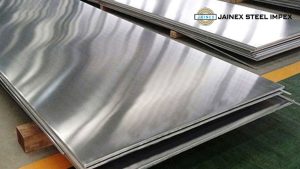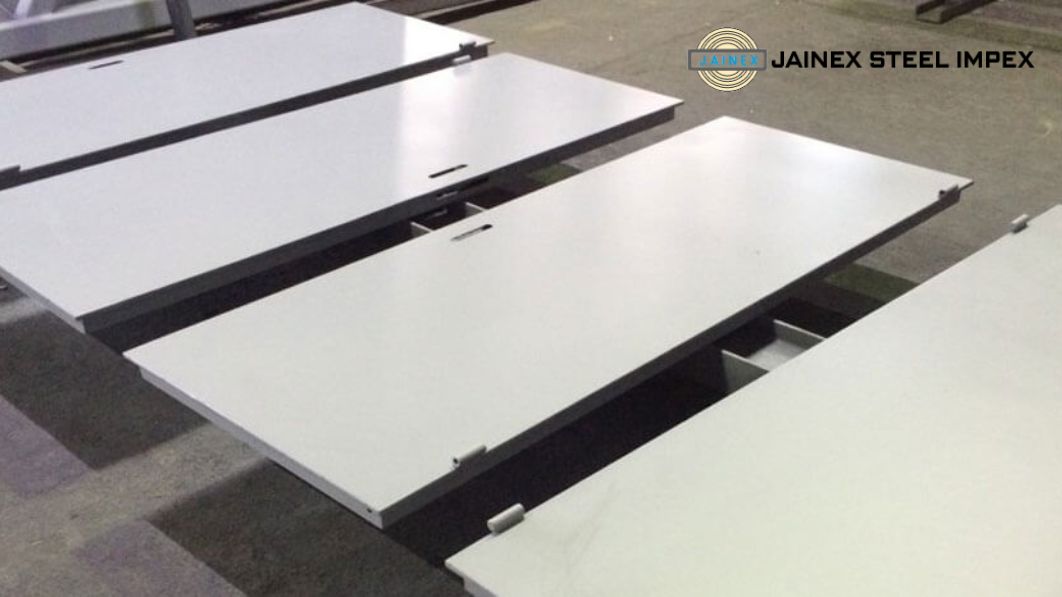
Hastelloy sheet is a nickel-based alloy sheet that serves industrial environments where corrosion, heat, and mechanical load act together. When acids, chlorides, or hot process fluids corrode ordinary stainless steel, Hastelloy keeps its structure intact. Engineers specify it because corrosion resistance, strength and durability decide plant safety and service life.
What Is Hastelloy Sheet?
Hastelloy sheet is a flat-rolled product made from Hastelloy, a family of nickel alloys that combine nickel with molybdenum, chromium, and other elements. Hastelloy Alloy Sheet names the same product by alloy. Among Nickel Alloy Sheets, this family stands out for acid and chloride resistance.
When corrosion or temperature conditions change, the suitable grade changes too. Hastelloy Metal Sheets give chemical processing and other demanding industries a material option for severe service.
Benefits of Using Hastelloy Metal Sheets
- In demanding chemical environments, the sheet resists acids, chlorides, and oxidizers.
- Under load and temperature cycling, high-strength hastelloy sheets in grade C276 carry a minimum tensile strength of 690 MPa per ASTM B575.
- If the grade suits the medium, the risk of premature failure drops.
- Where components touch corrosive chemicals and process fluids, the alloy protects vessels and liners.
- Because each grade targets a specific medium, Hastelloy Metal Sheets serve chemical, energy, and treatment industries.
Common Hastelloy Sheet Grades
Each Hastelloy grade has its own chemical composition. When the corrosive medium, temperature, fabrication needs, or specification changes, the grade selection changes with it.
- Hastelloy C276: Molybdenum near 16 percent gives C276 resistance to chlorides, sulfuric acid, and wet chlorine.
- Hastelloy C22: Chromium near 22 percent lets C22 handle oxidizing acids and mixed acid streams. It also resists pitting in chloride service.
- Hastelloy B2: In hydrochloric acid, B2 performs across concentrations. Oxidizing media and ferric salts damage it.
- Hastelloy B3: B3 serves the same reducing acid duties as B2. Better thermal stability eases fabrication and welding.
- Other grades: C2000 resists oxidizing and reducing acids, G30 handles phosphoric acid, and X withstands furnace temperatures.
Applications of Hastelloy Sheets
When aggressive chemicals contact metal surfaces, material choice drives safety, uptime, and maintenance cost. Corrosion Resistant Hastelloy Sheets suit the eight applications below.
Chemical Processing Equipment
When reactors, vessels, and piping carry hot acids, C276 and C22 sheet line the wetted surfaces.
Petrochemical and Oil and Gas Facilities
Where sour gas, chlorides, and hydrogen sulfide attack equipment, the alloy protects process vessels and offshore components.
Pollution Control Equipment
In flue gas desulfurization units, Hastelloy resists the acidic condensate that attacks ducts and stack liners.
Pharmaceutical Processing
When synthesis steps use strong acids or halide solvents, the sheet resists attack on reactors and vessels.
Power Generation
If gas turbine combustors run at high temperatures, Hastelloy X sheet keeps its strength and oxidation resistance.
Heat Exchangers and Process Equipment
When the process fluid corrodes carbon steel, a Hastelloy lining protects shells and tubesheets.
Pulp and Paper Processing
In bleaching plants, Hastelloy withstands chlorine dioxide and hypochlorite, which attack standard stainless steel.
Waste Treatment Systems
Where incinerators and wet scrubbers process chemical waste, Hastelloy resists corrosive acid gases and chlorides.
How to Choose the Right Hastelloy Sheet
When you select Hastelloy sheet, the service environment decides the grade, not strength alone. Review these eight factors before ordering:
- Hastelloy grade: If the medium is reducing hydrochloric acid, choose B2 or B3. If oxidizers are present, choose C276 or C22.
- Composition and corrosion environment: Match the alloy to every acid, chloride, and oxidizer in the process.
- Thickness and dimensions: Confirm gauge, width, and length against the drawing.
- Temperature and pressure: Compare peak operating values with grade limits.
- Fabrication and welding: Check formability and the approved welding procedure.
- Specifications: ASTM B575 covers C276 and C22. ASTM B333 covers B2 and B3. ASME SB versions apply to pressure equipment.
- Testing and traceability: Require mill test certificates, heat numbers, and positive material identification.
- Supplier quality: Choose a supplier that provides complete documentation with every Hastelloy Alloy Sheet lot.
Conclusion
When the service environment is aggressive, Hastelloy sheet combines corrosion resistance, strength, and durability. Performance depends on the correct grade, accurate dimensions, matching specifications, and complete quality documentation. If a buyer confirms all four before ordering, the sheet meets its intended service life. Each detail belongs in the purchase order.