The automotive industry relies on materials that have excellent strength, long service life, and precise measurements. Vehicle components are exposed to heat, moisture, road salt and continual stress. Manufacturers rely on metals that sustain performance over time. Stainless steel has become one of the most trusted materials in modern car manufacture due to its durability and corrosion resistance. Stainless steel cutting coils are a common type of stainless steel used in manufacturing. These coils produce narrow, precisely cut strips that meet the exact size and tolerance requirements of automobile parts. Accurate material preparation improves production efficiency and reduces waste. This blog explains what stainless steel slitting coils are, their main benefits, and how they support automotive manufacturing. It also highlights why working with a reliable stainless steel slitting coils supplier helps maintain consistent quality in vehicle components.
What Are Stainless Steel Slitting Coils?
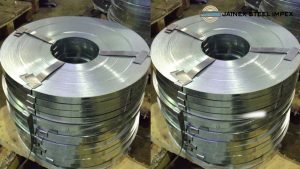
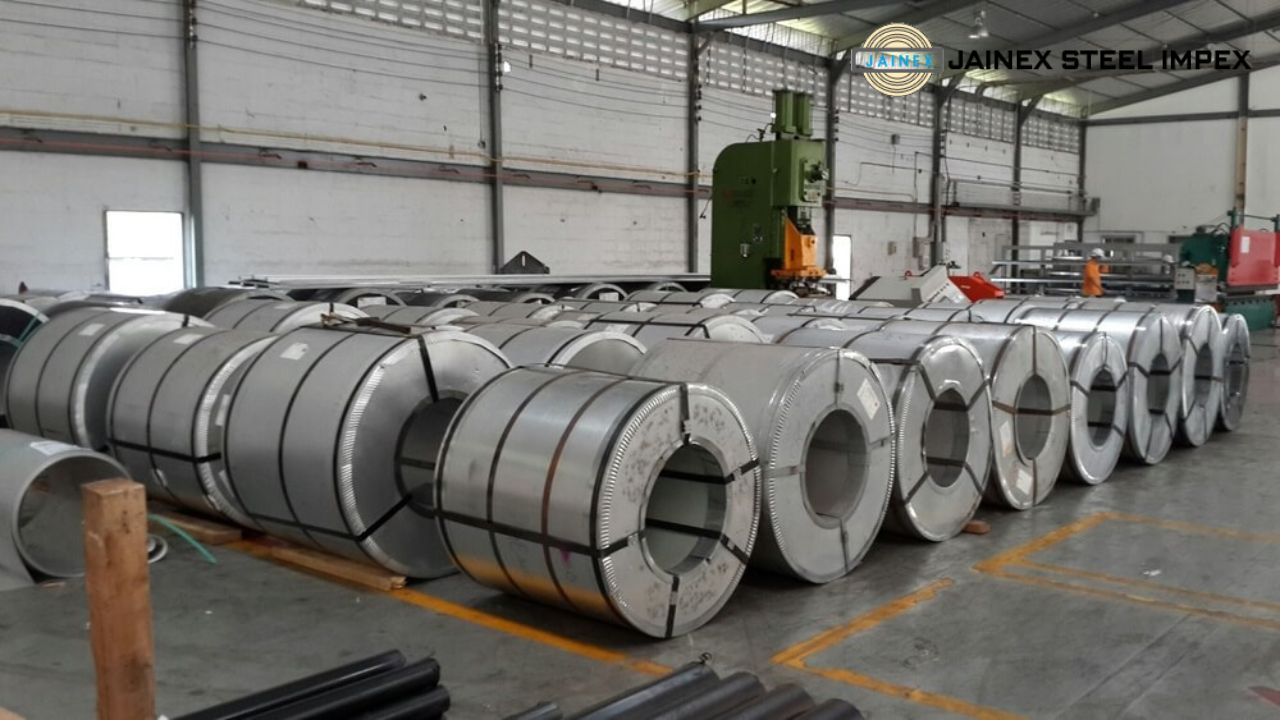
Stainless steel slitting coils are narrow strips produced by cutting large stainless steel coils into smaller pieces. The process starts with a large coil placed on a slitting machine, and sharp rotary blades cut the coil lengthwise into several narrow strips. Each strip is then rolled back into a smaller coil. This method helps manufacturers to get the exact width required for their production. Slitting coils are available in a wide range of stainless steel grades, thicknesses, and strip widths. The precise cutting method ensures tight tolerances and smooth surfaces. This accuracy reduces the need for further trimming during production. Automotive companies often use slitting coils because the strips fit immediately into forming, stamping, and fabrication equipment. The result is quicker production, less waste, and consistent part quality.
Key Benefits of Stainless Steel Slitting Coils
Stainless steel slit coils provide several advantages that suit the strict demands of automotive production. These benefits support both product quality and manufacturing efficiency.
- High Strength and Durability: Automotive parts must handle vibration, heat, and mechanical stress. Stainless steel offers high strength that supports long service life. Slit coils maintain the same mechanical properties as the original coil. Components made from these strips remain stable under demanding conditions.
- Excellent Corrosion Resistance: Vehicles operate in harsh outdoor environments. Moisture, road salt, and chemicals can damage ordinary metals. Stainless steel forms a protective surface layer that slows corrosion. This property helps automotive parts remain reliable for many years.
- Precision and Dimensional Accuracy: Vehicle components require strict size control. Even small measurement errors can disturb the manufacturing process. The slitting process yields strips with precise width tolerances and clean edges. This accuracy contributes to constant dimensions during stamping and shaping.
- Easy Fabrication and Forming: Stainless steel strips can be bent, stamped, and shaped with ease. Automotive plants use automated equipment for these processes. Slit coils feed directly into these machines. This reduces extra preparation and keeps production moving smoothly.
- Improved Manufacturing Efficiency: Pre-cut material reduces the need for internal cutting operations. Factories receive strips in the exact width required. This saves time during production and limits material handling steps. The result is a faster and more organised workflow.
- Cost-Effective Material Solution: Material waste adds cost to large production runs. Slit coils help reduce scrap because the strips match the required dimensions. Efficient material use lowers overall production costs while maintaining product quality.
Applications in the Automotive Industry
Many automotive components require narrow stainless steel strips with precise thickness and width. Stainless steel slitting coils supply these strips for several vehicle systems.
- Exhaust System Components: Exhaust systems operate at high temperatures and handle corrosive gases. Stainless steel strips are used to make exhaust pipes, heat shields and silencer components. Stainless steel’s corrosion resistance contributes to its longevity under these conditions.
- Automotive Trims and Decorative Parts: The shiny trim around windows and on door handles often comes from thin slit coils. It stays bright and polished for years, helping the car look new even after high mileage.
- Structural Supports and Brackets: Many internal vehicle structures rely on brackets and support elements. Stainless steel strips are stamped and formed into these parts. Their strength helps maintain stability in areas exposed to vibration and load.
- Fuel and Fluid System Components: Fuel lines and fluid system parts must resist corrosion from chemicals and temperature changes. Stainless steel strips provide the reliability required for these systems. Accurate dimensions help ensure leak-free assembly.
- Clamps, Fasteners, and Small Metal Parts: Many small parts inside a vehicle come from narrow metal strips. Clamps, clips, washers, and fasteners often start as slit coils. The consistent width and thickness support high-volume production.
Why Automotive Manufacturers Choose SS Slitting Coils
Automotive manufacturers work under strict quality standards and tight production schedules. Material preparation plays a large role in meeting these demands. Stainless steel slitting coils allow factories to receive material in exact strip widths suited for stamping, forming, and fabrication processes. This accuracy ensures consistent part dimensions and smooth machine operation. The cutting method produces clean edges, which reduces tool wear during production. The strength and corrosion resistance of stainless steel provide the durability of automotive components. Reliable supply is also required in large industrial networks. Working with an experienced stainless steel slitting coil provider ensures consistent material quality, precise specifications, and timely delivery for continuous production.
The automotive industry requires materials that are strong, dependable and consistent in production. Stainless steel slitting coils meet these needs by providing accurately cut strips that suit many vehicle parts. Their strength helps them withstand vibration, heat, and heavy use. Parts that are exposed to moisture and chemicals are protected by stainless steel’s high corrosion resistance. Precise strip widths also boost productivity by reducing extra cutting and minimising material waste. These benefits make slit coils a significant material type in modern vehicle manufacturing. Consistent quality depends on reliable sourcing. Partnering with a trusted stainless steel slitting coils supplier helps ensure accurate specifications, a steady supply, and dependable performance throughout automotive production.