The automotive industry is in a state of constant change as manufacturers look for ways to build better vehicles. There is a huge demand for materials that are durable, lightweight, and can resist corrosion. Car makers want to improve fuel efficiency without losing safety. This is why stainless steel strips have become so important. These components are used to make many different parts because they are strong and reliable. They also offer the flexibility needed for complex designs. Modern cars deal with tough conditions like road salt, rain, and high engine heat. Choosing the right materials helps the vehicle last for many years. Stainless steel strips are especially important because they help cars stay on the road longer.
What Are Stainless Steel Strips?
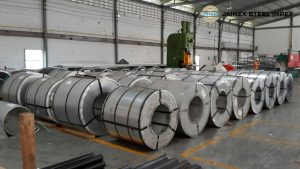
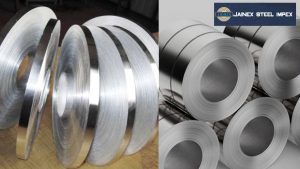
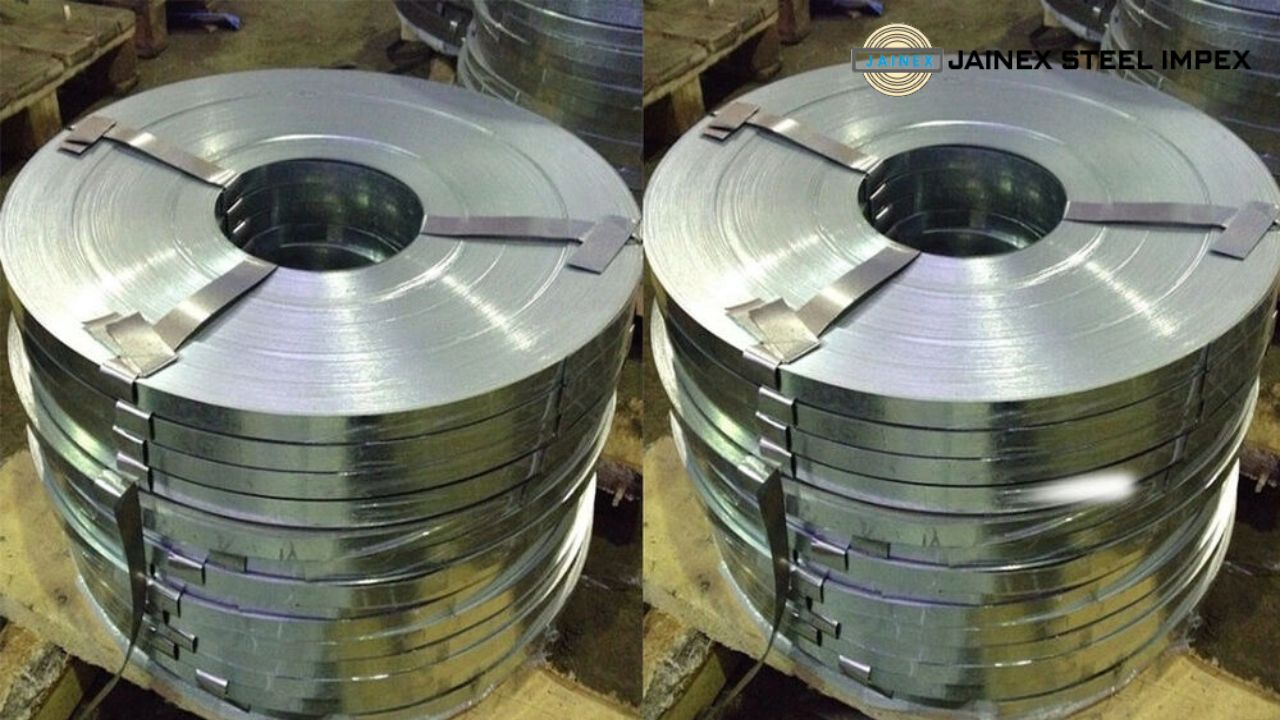
Stainless steel strips are essentially a processed form of stainless steel. We produce them by taking large stainless steel coils and putting them through a slitting process. This turns the wide coils into narrow strips. These stainless steel metal strips are made to very specific measurements. You can find them in many different grades. Some of the more prevalent ones are 304, 316, 430, and 201. The chemical composition of each grade is different. This means they can be used for a variety of things. We provide these strips in different thicknesses and widths based on the needs of each use. They are made by cold rolling or hot rolling the metal to achieve the required hardness and surface finish.
Key Benefits of Stainless Steel Strips in the Automotive Industry
High Strength and Durability: Automotive parts need to withstand constant vibration and physical stress. Stainless steel does not deform easily under pressure. This keeps the car’s structure sound.
Excellent Corrosion Resistance: Cars are exposed to water, chemicals, and road salts. Regular steel rusts quickly in these conditions. Stainless steel has chromium in it, which creates a thin protective layer on the surface and stops rust from forming. This prevents rust from corroding the metal.
Precision and Consistency: Automated car assembly lines need parts that are the same every time. Our stainless steel strips are made with tight tolerances so each piece fits correctly. This ensures that every piece fits perfectly into the assembly. Good formability and flexibility allow for creative engineering. You can bend, deep-draw, or stamp these strips into complex shapes. They do not crack or fail during these processes. This helps create sleek body trims or intricate engine components.
Heat and Temperature Resistance: Many materials lose their strength when they heat up. Stainless steel, however, keeps its strength and performance even at very high temperatures. It can also handle the cold without becoming brittle. Low maintenance and a long service life save money for the car owner. Parts made from these strips do not need frequent replacement. This adds value to the vehicle. It also helps the environment by reducing the need for new raw materials over the life of the car.
Applications of Stainless Steel Strips
- Exhaust system parts: They must handle very high heat and harmful gases without breaking.
- Clamps and fasteners: These small parts keep hoses and wires in place and must not loosen or rust.
- Fuel system parts: Stainless steel is used as it does not react with fuel or fuel additives.
- Trims and decorative parts: The shiny surface gives the car a nice look and does not fade easily.
- Springs and brackets: These parts provide support and the right amount of tension for moving parts.
- Heat shields and supports: These protect important areas from engine heat and help keep the car safe.
Why SS Strips Are Preferred in Modern Automotive Manufacturing
Manufacturers prefer using stainless steel strips because they improve performance and make production faster and easier. The automotive world has strict quality standards that must be met. Stainless steel makes it easier to pass these tests. It allows for thinner parts that are still very strong. This reduces the total weight of the vehicle. When a car is lighter, it uses less fuel and emits fewer pollutants. This is a major goal for the industry today. We have seen how using these strips speeds up the manufacturing process because the material is consistent and easy to work with. It also reduces waste during the stamping and cutting phases. Engineers trust this material because its behaviour is predictable under stress.
Stainless steel strips are a fundamental part of the automotive industry. Their strength and corrosion resistance make them perfect for the tough environment of a vehicle. They offer versatility that other materials cannot match. This makes them essential for modern production. Whether it is for a shiny trim or a critical engine part, these strips deliver results. Being light but strong helps car makers follow new environmental and safety standards. Picking the right material is the first step in building a dependable vehicle.